

Your annual fund is open. Your campaign page is live. But donors land on a single generic donation form with no clear sense of where their money goes or what it will do.
They give anyway, or they do not. Either way, you have left something important on the table.
Designated giving is one of the most underused tools in nonprofit fundraising. When donors can choose where their gift goes, they feel more connected to the outcome. That connection drives higher average gifts, better retention, and more meaningful relationships over time.
The challenge is that most teams treat fund management as an accounting task. It does not have to be.
Designated Giving Is Not Just an Operational Detail
When a donor gives to “your scholarship fund” instead of “general operations,” something shifts. They are not just making a transaction. They are investing in something specific that they care about.
That specificity is what builds long-term loyalty. It is also what gives your team something concrete to report back on, which makes the follow-up conversation easier and the next ask more natural.
The best funds and designations setup does two things well.
They help donors find and connect with the specific areas of your work they care about most.
They help your team track progress, report accurately, and follow up with donors based on what they actually gave to.
Here is how to build that.
1. Start by Naming Your Funds Around Donor Interest, Not Internal Structure
Most nonprofits organize funds the way their finance team thinks about them: general operations, restricted funds, program budget lines. That makes internal sense. It does not inspire giving.
Rename your funds around the outcomes donors care about. “Scholarship Fund” is better than “Student Financial Aid Line Item.” “Wildlife Habitat Restoration” is better than “Program Area 3.” “Emergency Response Fund” is better than “Unrestricted Reserves.”
The name is the first thing a donor sees. It should tell them what their gift will do, not how your org chart is structured.
2. Create a Page for Each Fund, Not Just a Form
A donation form is where someone gives. A fund page is where someone decides to give.
That distinction matters. If you are asking donors to support a specific program or endowment, give them somewhere to go that tells the story of that fund: what it does, who it serves, what impact looks like, and how much progress has been made.
Fund-specific pages do not have to be complex. A compelling image, a short description, a progress indicator, and a clear donate button are often enough to convert a curious visitor into a committed donor. The goal is to make the case before they reach the form, not inside it.
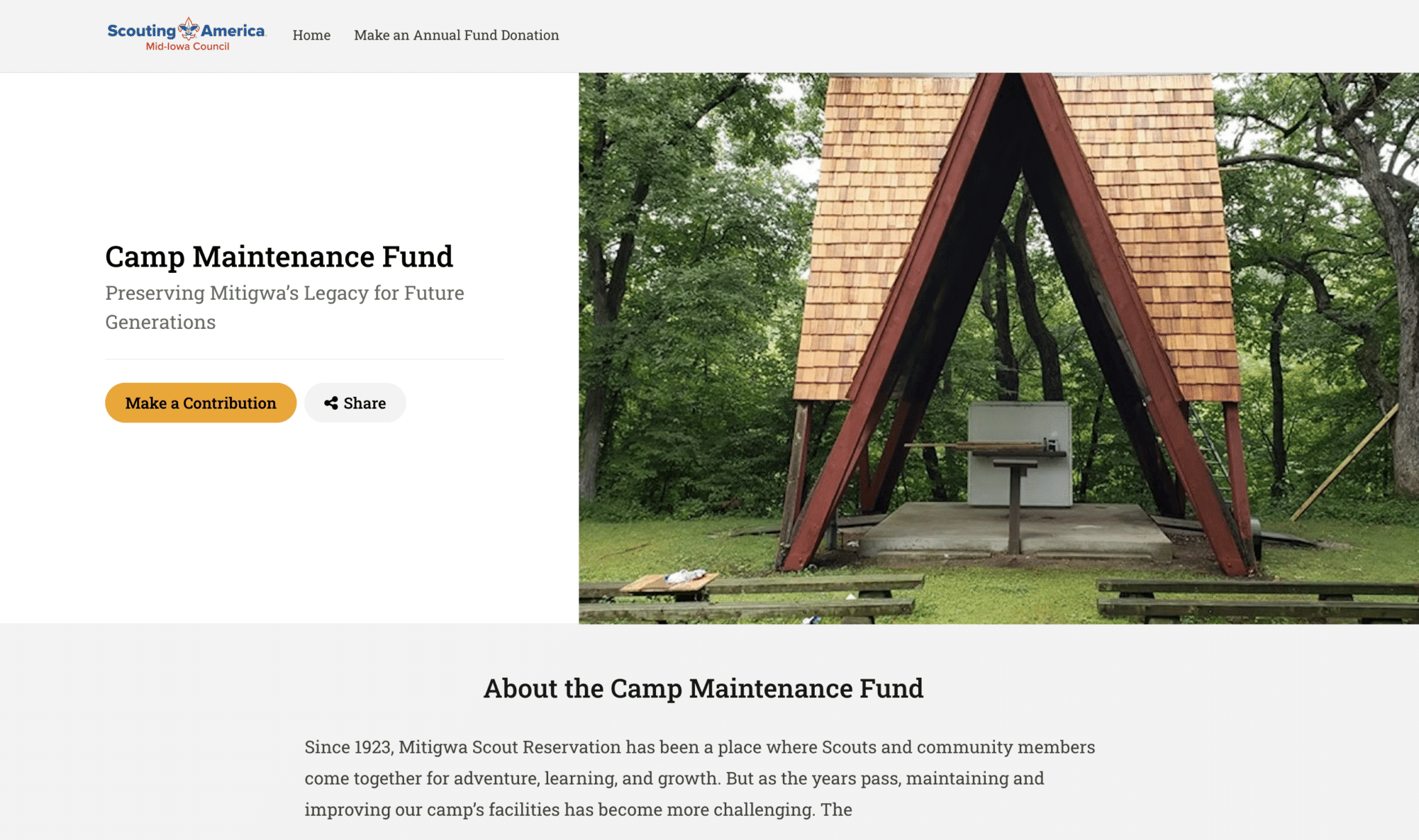
Fund specific page built with CauseVox
CauseVox lets you build individual pages for each fund using no-code drag-and-drop modules, so you can create a focused, branded experience for each designated giving option without needing a developer or a redesign.
3. Let Donors Designate Their Gift Directly on the Donation Form
Friction kills generosity. If a donor has to email you after giving to explain where they want their gift directed, most of them will not bother. And if they do, you will spend time manually tracking and reconciling those instructions.
The cleaner approach is to let donors choose their designation directly on the form at the moment of giving. That keeps the experience seamless for the donor and makes tracking automatic for your team.
When the designation is captured at checkout, you do not need to chase down intent after the fact. The gift is already coded correctly before it hits your records.
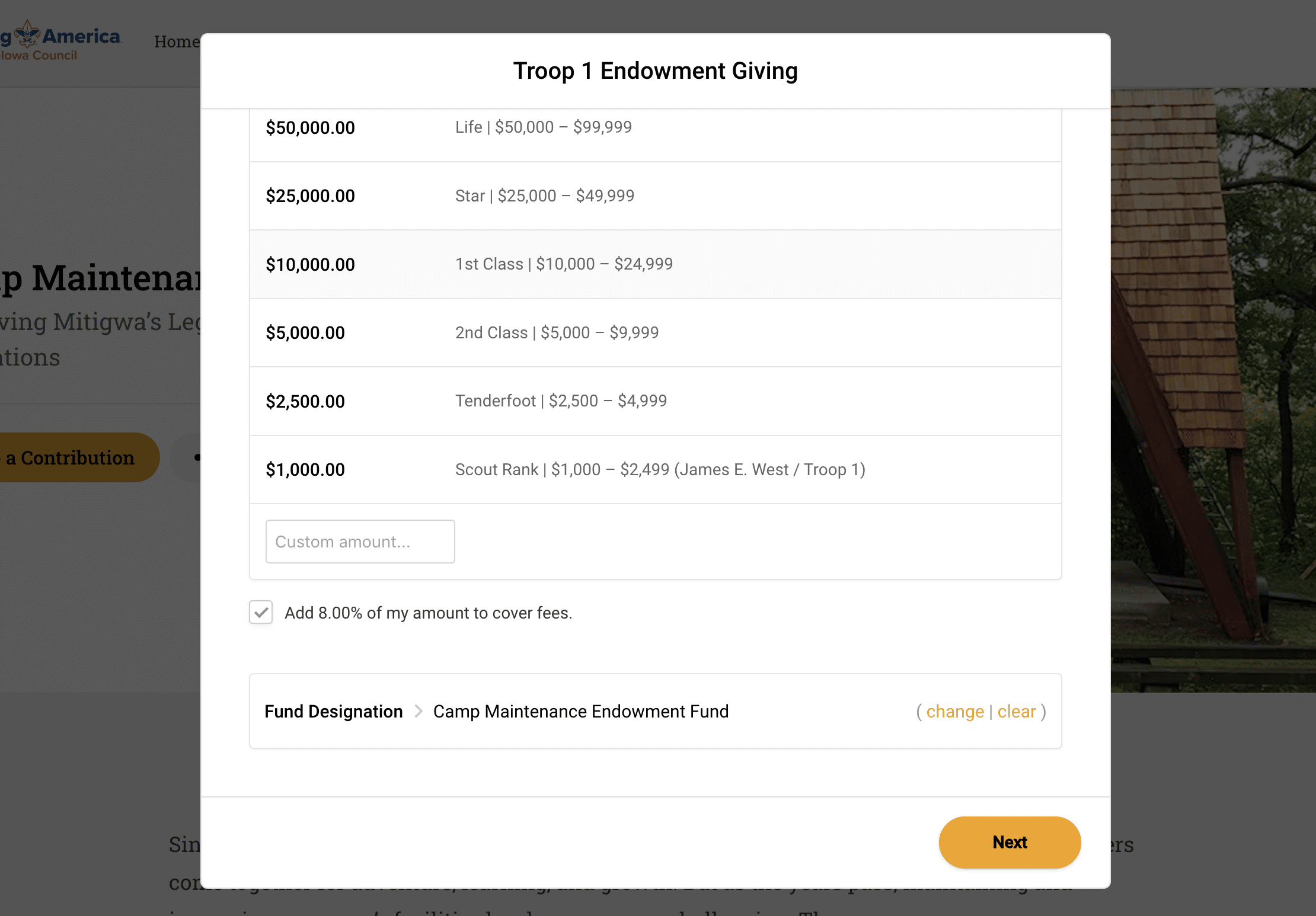
Add designated giving to your donation page with CauseVox
4. Show Real-Time Progress to Create Momentum
Progress indicators work. A fundraising thermometer that moves as donations come in gives donors a sense that something is happening and that their gift will matter to the outcome.
This is especially true for time-limited campaigns, endowment drives, or programs with specific funding goals. When donors can see that a fund is 60% of the way to its target, they understand what their contribution will do in concrete terms.
Dynamic elements like progress bars, donation counters, and donor listings also give donors a reason to come back and a reason to share. That social momentum is hard to manufacture manually but easy to build when the page is set up to support it.
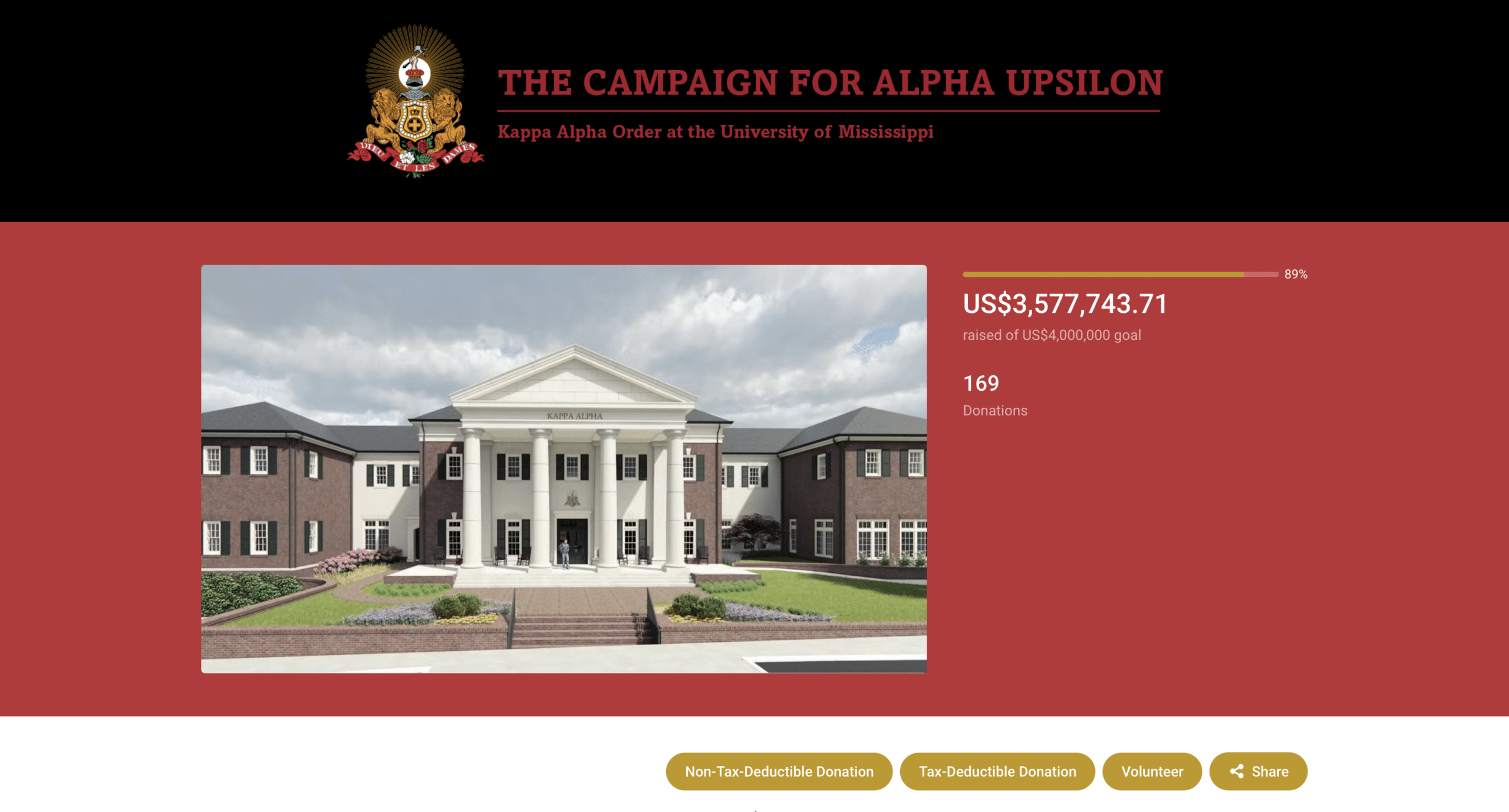
Utilize a progress bar so donors can easily see how close you are to reaching your goal, which often inspires more generosity.
5. Track Each Fund Separately, Without Manual Reconciliation
If you are managing multiple funds and pulling donation reports from a general ledger or a spreadsheet, you already know how much time that takes. You are matching transaction records to designations, filtering by date, and hoping nothing falls through the cracks.
Automated fund tracking removes that work. When each fund is set up with its own goal and reporting period, you can see exactly how much has been raised for each designation in real time, including recent activity, donor data, and associated peer-to-peer fundraising.
This is where connected fundraising pays off. When your fundraising and donor data live in the same place, fund reporting is not a separate task. It is just there, accurate and up to date, ready when you need it for board presentations, grant reports, or donor thank-yous.

With CauseVox’s CRM you can see all donor data and activity in one central place.
6. Use Fund Pages to Support Different Giving Audiences
Not every fund is for the same donor. Major gift prospects care about legacy and endowment opportunities. Mid-level donors often respond to specific program needs. Recurring donors want to feel like they are sustaining something real.
Funds and designated giving pages let you create differentiated giving experiences for different audiences without maintaining completely separate campaigns. An endowment page can speak to long-term impact and sustainability. A department fund page at a university can speak directly to alumni from that program. An emergency fund page can communicate urgency in a way a general donation form never could.
When each fund has its own page and its own story, you can direct different donors to the right destination based on who they are and what they care about, rather than sending everyone to the same generic starting point.

Offering different fund options allows donors to give in a way that resonates with them.
7. Build a Complete Fund Hub, Not Just Individual Pages
Individual fund pages are powerful. But they are even more effective when they are part of a coherent fundraising site that helps donors discover the full range of your work.
Think of your fund hub as the place a donor goes to understand what your organization does, find the program area they care about most, and take action. It should be fully branded, easy to navigate, and built to serve both first-time visitors and longtime supporters.
This is especially useful for organizations with multiple programs, campaigns running simultaneously, or both annual and endowment giving options. Instead of pointing donors to a single form and hoping they pick the right amount, you create a layered experience that meets them where they are.
8. Use Fund Data to Drive Smarter Follow-Up
The data from designated giving is some of the most useful information your team has. A donor who gave to your education program three years in a row is telling you something. A first-time donor who chose your emergency response fund is telling you something different.
When fund designations are captured cleanly, tied to donor records, and accessible without manual cleanup, your team can use that information to personalize stewardship, tailor renewal asks, and have better conversations with major gift prospects.
This is the part that turns fund management from an operational task into a relationship-building asset. The goal is not just to track where money went. It is to understand why donors give the way they do and use that to build something lasting.
What Changes When Your Funds Are Set Up This Way
Before:
- Donors land on a generic form with no clear sense of where their gift goes
- Designations are collected informally and reconciled manually after the fact
- Fund progress lives in spreadsheets that require someone to update them
- Follow-up is generic because you do not know which program each donor cares about
- Multiple funds mean multiple disconnected pages, or no pages at all
After:
- Donors choose their designated giving directly on the form in a seamless checkout
- Fund progress is tracked automatically and visible in real time
- Each fund has its own page with a story, progress indicator, and clear give button
- Donor records reflect what each person gave to, making follow-up more personal
- All of it lives in one connected place, ready for reporting without extra cleanup
The shift is not just about cleaner data. It is about giving donors a more meaningful experience and giving your team the context to build on it.
With CauseVox Free, you can create fund pages, track designated giving progress in real time, manage donor records in a built-in CRM, and start fundraising with no license fee and 0% platform fee.