

For years, nonprofit visibility has meant one thing: SEO.
Rank on Google, write blog posts, add keywords, and hope people find you through traditional search. But in 2026, AI and search discoverability are a bigger part of the picture.
More people are asking questions in tools like ChatGPT, Claude, and Perplexity instead of opening a traditional search engine. In fact, recent studies show that over 50% of adults now seek out AI powered search engines to answer questions and discover recommendations, that includes which organizations to support.
Which raises a new (and important) question for nonprofits: If someone asks an AI tool for a nonprofit like yours…will you show up?
The Shift From SEO to GEO
Traditional SEO (Search Engine Optimization) is about ranking pages in search results. But AI tools don’t work like Google. They don’t just scan keywords or backlinks. Instead, they synthesize information from many sources to generate answers. That means they’re deciding:
- Which organizations to mention
- How to describe them
- Which ones feel credible and relevant
This is where GEO (Generative Engine Optimization) comes in.
GEO is the practice of making sure your organization is clearly understood, consistently described, and trusted by AI systems that generate answers.
Instead of optimizing for clicks, GEO optimizes for:
- Clarity
- Consistency
- Context
AI tools look for patterns. They compare what your website says with what partner sites, directories, fundraising platforms, and articles say about you. When those messages align, your nonprofit becomes easier to surface and recommend.
When they don’t, you’re more likely to be skipped, even if your work is impactful.
Why This Matters
This shift can feel intimidating at first! AI, algorithms, new acronyms–it’s easy to assume that keeping up requires a bigger budget, more tools, or technical expertise most small teams simply don’t have.
But here’s a bit of encouragement: GEO actually levels the playing field.
You don’t need a massive ad budget or a full-time SEO consultant to be discoverable in AI-powered tools. What matters most is clarity, and smaller organizations often do this better than large, complex institutions. Generative engines reward nonprofits that explain their work simply, communicate consistently, keep their information up to date, and prioritize real human understanding over buzzwords or jargon.
In other words, GEO favors the same practices that build strong donor relationships and trust: clear storytelling, alignment, and follow-through.
How AI Tools Decide Which Nonprofits to Recommend
When someone asks an AI tool questions like, “What nonprofits create jobs for survivors of trafficking?” or “Which organizations focus on food security in my area?” the system doesn’t just pull a random list of names.
Instead, it looks for organizations that clearly state who they serve and what they do, use plain and descriptive language, and appear consistently across credible sources online. AI tools also place more confidence in nonprofits with up-to-date, easy-to-understand websites that make their mission and programs obvious at a glance.
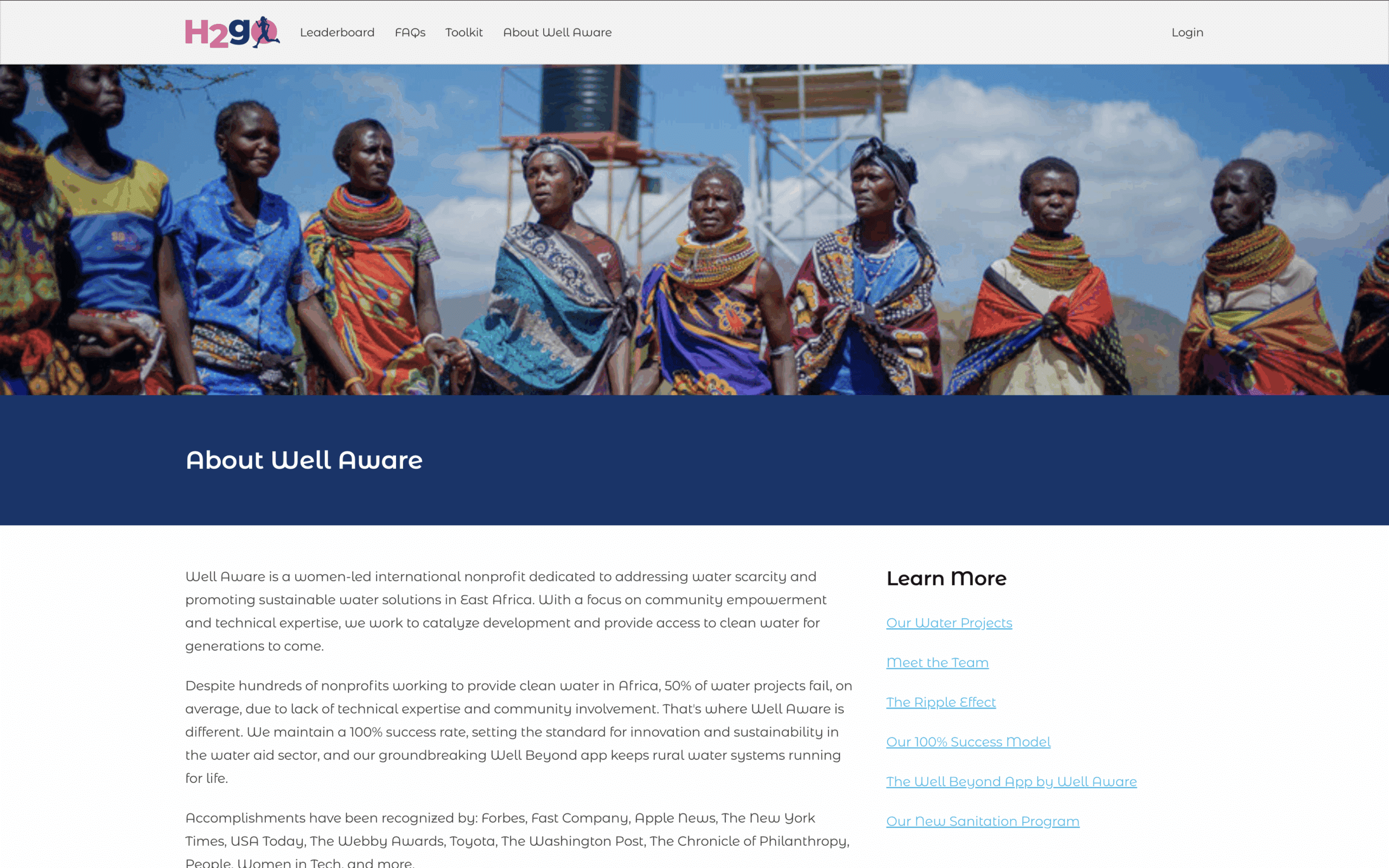
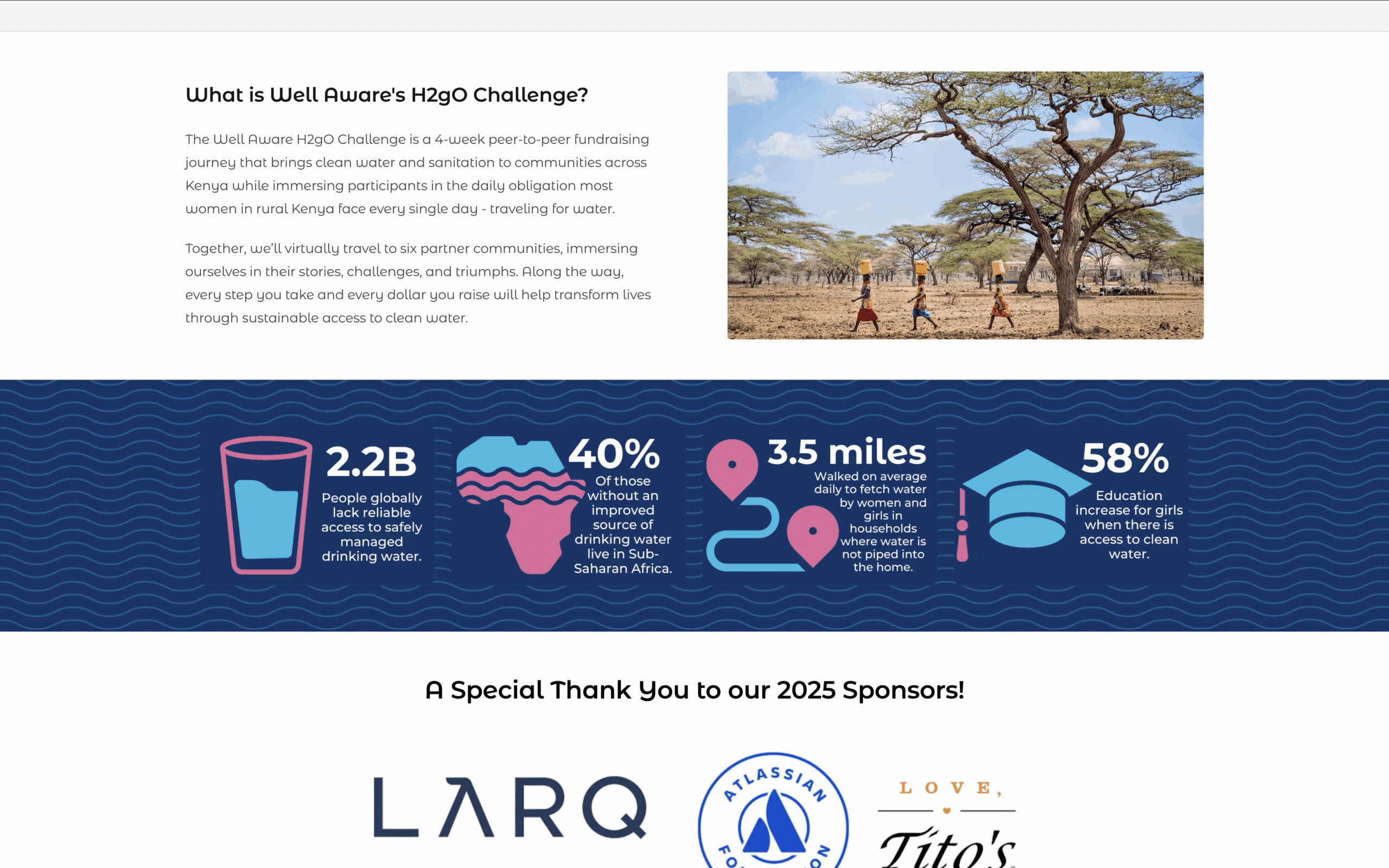
Well Aware hosted a peer-to-peer fundraiser on CauseVox. Both their campaign page and website clearly describe what they do, who they serve, and how they do it which is great for both donors and GEO.
When messaging is vague, outdated, or scattered across platforms, it becomes harder for AI tools to understand where an organization fits. In those cases, they’re more likely to default to nonprofits with clearer, more consistent digital footprints, even if the quieter organization is doing equally impactful work.
Practical Ways to Improve Your AI Discoverability
You don’t need a developer or a big budget to make sure your organization can be found on AI tools. Here are 5 practical ways to improve your discoverability.
1. Clarify Your Core Description
Every nonprofit should be able to clearly and simply describe what they do in a single sentence. A helpful framework is: We help [who] by doing [what] so that [impact].
This isn’t meant to be a slogan or a tagline, it’s a clarity tool that anchors how your organization shows up everywhere online.
That one sentence should appear consistently across your digital presence, including your homepage, about page, donation pages, social media bios, and fundraising campaigns. These are high-signal areas that both people and AI tools rely on to understand who you are and why your work matters.
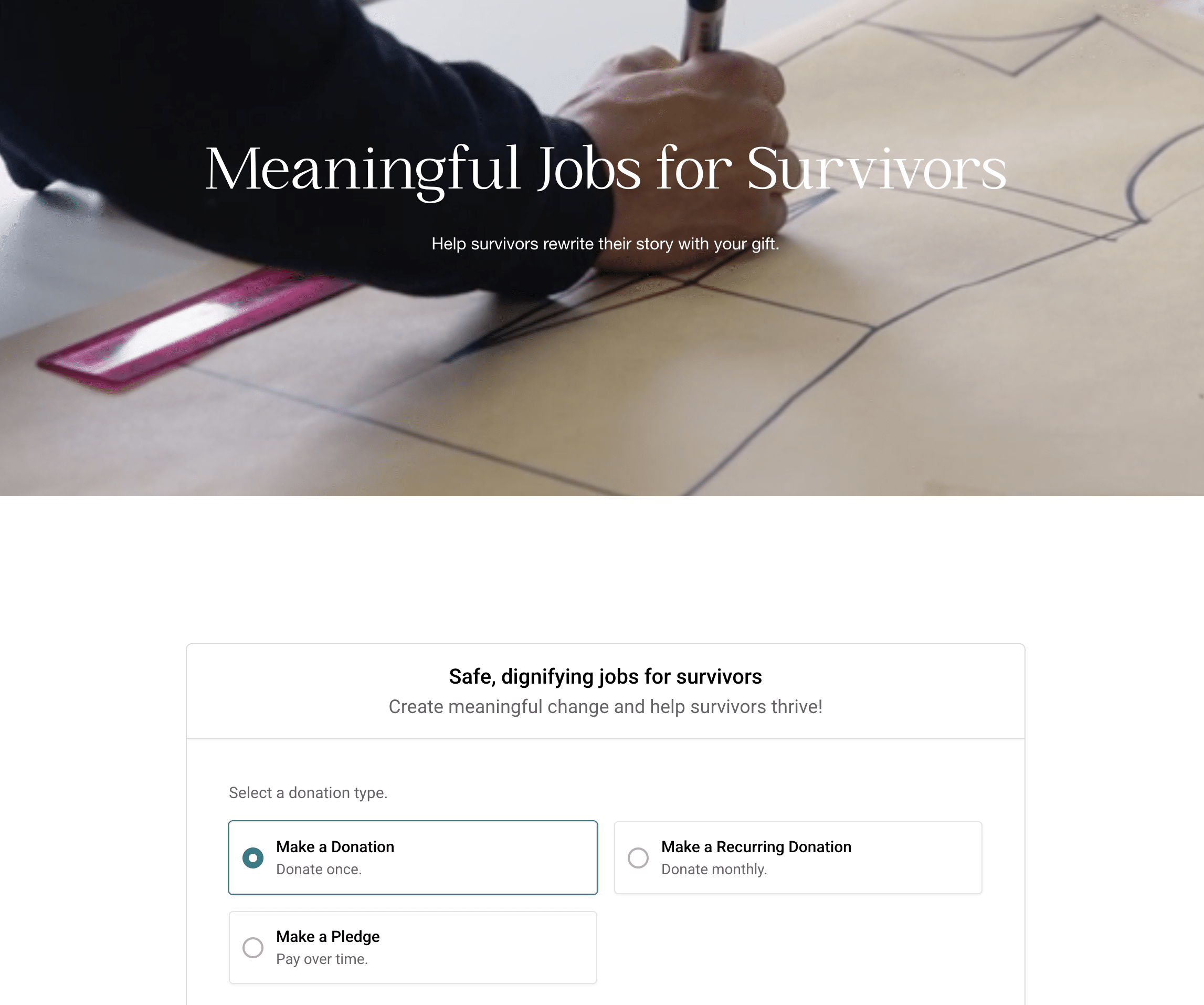
Not I But We uses consistent language of “jobs for survivors” across their CauseVox donation form, website, and social media.
This kind of clarity is critical for discoverability. If someone unfamiliar with your organization can’t quickly explain what you do after spending a minute on your website, AI tools will struggle to describe or recommend you accurately as well.
Clear, consistent language makes it easier for your nonprofit to be understood, remembered, and surfaced when people are actively looking for organizations like yours.
2. Update Your Website for Understanding, Not Jargon
Beautiful language absolutely has its place in nonprofit storytelling, but when it comes to discoverability, clarity has to come first. Your website and fundraising page should make it immediately obvious who you serve, what programs you run, where you operate, and how someone can support your work. These are foundational questions that both people and AI tools look for when trying to understand what your organization actually does.
If this information is buried in long PDFs, hidden behind multiple clicks, or wrapped in jargon-heavy or overly abstract mission statements, it becomes harder to interpret and easier to miss. A good rule of thumb is if someone outside your sector can’t grasp what you do within 5 seconds, your mission statement isn’t clear for humans or AI.
For instance, if your mission statement and messaging sounds something like “We exist to create transformative pathways that empower resilient communities through holistic, equity-centered interventions” it sounds thoughtful, but it’s vague. Who is being helped? How? And what does the organization actually do? Rather, language like “we help families experiencing housing insecurity access safe, stable housing and long-term support services.”
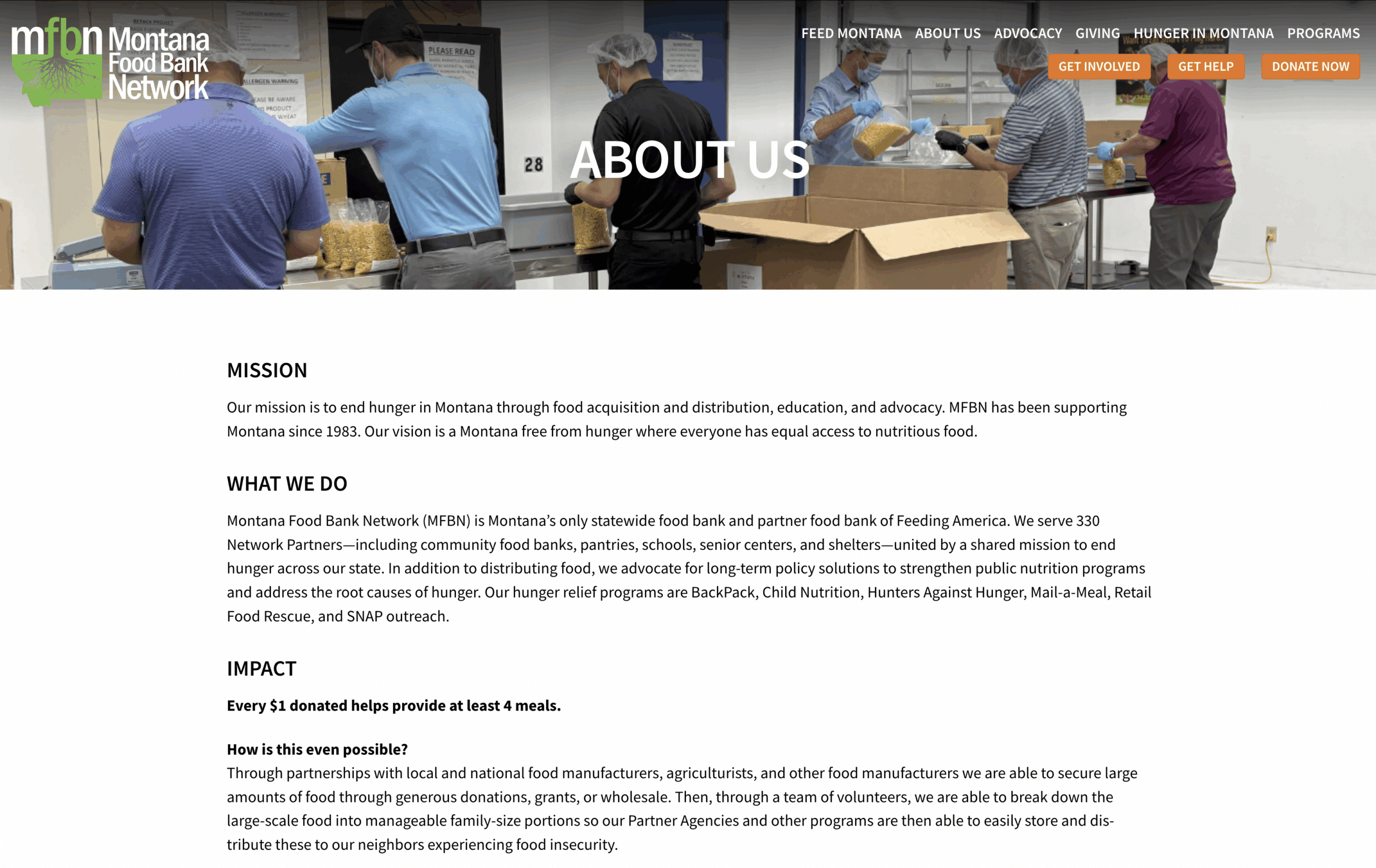
Montana Food Bank makes their mission and impact very clear with plain, easily understandable language.
Clear, structured pages with plain language help ensure your work is understood at a glance. The easier it is for a donor to grasp your mission and programs, the easier it is for AI systems to accurately describe and recommend your organization when someone is searching for causes like yours.
3. Align Your Messaging Everywhere You Show Up
AI tools don’t rely on a single source when deciding how to describe your organization. They pull information from many places across the internet and look for consistency. If your website says one thing, your social media bios say another, and your fundraising pages tell a slightly different story, it creates confusion, not just for people, but for AI systems too.
A simple audit can go a long way. Review your website, Google Business Profile, social media bios, partner listings, and fundraising platforms to make sure they all reflect the same core mission and programs.
Your descriptions don’t need to be word-for-word identical, but they should clearly tell the same story using similar language. Consistency builds confidence, both for donors deciding whether to trust you and for AI tools deciding whether to surface your organization in recommendations.
4. Create Helpful, Educational Content
You don’t need to publish content constantly to be discoverable. In fact, publishing less, but more useful content is often more effective. AI tools tend to prioritize clear, educational information that answers real questions people are already asking.
Focus on content that explains your work in plain language. This might include how your programs operate, why your issue matters now, or what impact looks like over time. When your content helps people understand the problem you’re addressing and the solution you’re offering, it signals credibility and relevance which is exactly what AI tools look for when generating responses.
5. Make Sure Your Digital Infrastructure Is Solid
Behind-the-scenes details play a bigger role in discoverability than many nonprofits realize. A modern website and fundraising platform help ensure your pages load quickly, your content is well-structured, and your information stays current. These are important trust signals for both people and AI systems.
Using tools that keep your donation pages, program descriptions, and organizational details organized and up to date makes it easier for your nonprofit to be accurately understood and recommended. You don’t need a complex tech stack, just a reliable digital foundation that supports clarity, consistency, and ease of use.
Visibility Starts With Clarity
Visibility in 2026 isn’t won by chasing algorithms or trying to outsmart technology. It’s built through clear messaging, consistent storytelling, and a real focus on human understanding.
When your nonprofit is easy to understand, it becomes easier for AI tools to accurately describe and recommend you, and easier for donors to trust, remember, and stay connected to your work!
Platforms like CauseVox support this by helping you create a consistent, branded, and cohesive online presence without adding complexity to your day. From donation pages to campaign messaging, having everything aligned in one place doesn’t just improve AI discoverability, it strengthens your communications and deepens donor relationships.
Explore how CauseVox can help you simplify your fundraising, clarify your story, and build a digital presence that’s easy to find, easy to trust, and easy to support.